
Why Cold Weather Changes the Rules
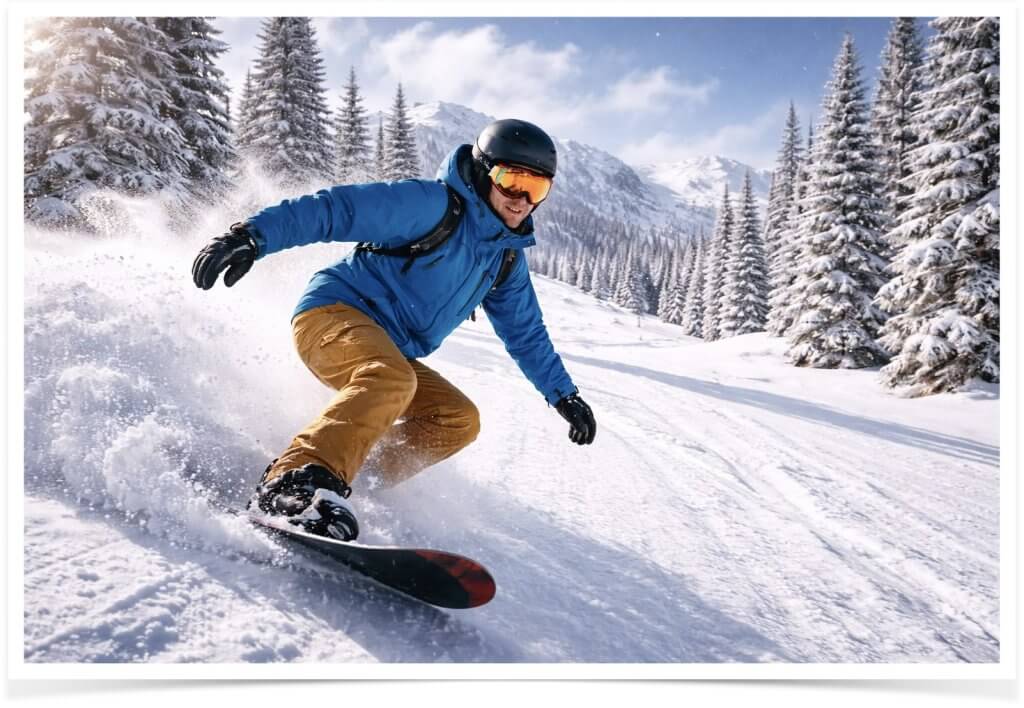
Winter in Michigan brings a different pace of life. Snow needs to be cleared, sidewalks need to be navigated carefully, and for many people, winter sports become part of the season. Whether it’s shoveling a driveway, walking across an icy parking lot, or heading north for skiing or snowboarding, winter activities often place new and unfamiliar demands on the body.
At Bence Chiropractic, Dr. Pavel Bence sees a noticeable shift in the types of injuries patients experience during the winter months — not necessarily from dramatic accidents, but from everyday activities people don’t think twice about.
“Winter changes how the body moves and reacts,” Dr. Bence explains. “Cold muscles are stiffer, footing is less predictable, and people tend to push themselves because they just want to get things done.”
How Do Winter Activities Increase Injury Risk?
Cold weather affects the body in subtle but important ways. Muscles and connective tissues don’t warm up as easily, joints may feel less mobile, and reaction time can be slower. Add in bulky clothing, uneven surfaces, and fatigue, and the risk of injury increases.
Unlike summer activities, winter tasks often involve:
- Sudden or awkward movements
- Twisting while lifting
- Slipping and trying to catch yourself
- Overexertion in short bursts
According to national injury data, winter-related falls and overexertion injuries account for hundreds of thousands of emergency room visits each year, particularly among adults who are otherwise active and healthy. Many of these injuries don’t feel severe at first — but symptoms can develop or worsen over time.
Is Snow Shoveling a Common Source of Winter Strain?
Shoveling snow is one of the most common winter activities that leads to injury. It combines lifting, twisting, and repetitive motion — often performed quickly, early in the morning, or after work when the body is already tired.
Dr. Bence often sees patients with low back pain, neck stiffness, or shoulder discomfort after a heavy snowfall.
“People tend to shovel the way they move snow, not the way their body wants to move,” he says. “They twist, throw, and rush — and that’s when strain happens.”
In many cases, symptoms don’t appear immediately. A sore back the next morning or stiffness that builds over several days is common, especially when cold weather masks early inflammation.
Slips and Falls on Ice: More Than Just a Bruise
Slipping on ice is another winter hazard people often underestimate. A quick slip in a parking lot or on a sidewalk may not seem serious, especially if you manage to stay upright or land softly.
But the body reacts instinctively — tensing, twisting, or jolting to regain balance.
“When someone slips, the injury doesn’t always come from the fall itself,” Dr. Bence explains. “It often comes from the sudden movement the body makes trying to prevent the fall.”
These movements can strain the neck, mid-back, hips, or low back. Because adrenaline kicks in and cold weather dulls pain, discomfort may not show up until later — sometimes days afterward.
How Do Winter Sports Like Skiing and Snowboarding Lead to Injuries?
For many Michigan residents, winter also means skiing, snowboarding, sledding, or ice skating. These activities are enjoyable, but they place high demands on balance, coordination, and core strength — often on uneven or slippery terrain.
Falls are part of winter sports, even for experienced participants. What surprises many people is how a seemingly mild fall can still affect the spine or surrounding muscles.
Dr. Bence notes that he frequently sees patients who say, “I didn’t crash hard,” but still experience lingering soreness or restricted movement.
“Even controlled falls can transmit force through the spine,” Dr. Bence says. “And when muscles are cold or fatigued, recovery can take longer.”
What Symptoms Do People Commonly Dismiss in Winter?
Across all winter activities, certain symptoms tend to get brushed off as “normal for the season.” These include stiffness in the neck or back, soreness that doesn’t fully resolve, headaches, or a feeling that movement just isn’t as smooth as it was before.
“I hear people say, ‘I thought it was just the cold,’ all the time,” Dr. Bence explains. “But when we look at what they’ve been doing — shoveling, slipping, playing winter sports — the connection becomes pretty clear.”
Ignoring these signs doesn’t always cause immediate problems, but it can allow small issues to linger and become harder to resolve later.
What You Can Do to Protect Yourself This Winter
Being mindful of how winter affects your body can go a long way toward staying healthy. Warming up before physical activity, taking breaks during repetitive tasks like shoveling, and paying attention to changes in how you feel afterward are all important.
Dr. Bence encourages patients to listen to early warning signs rather than pushing through them.
“You don’t have to stop being active in winter,” Dr. Bence adds. “You just need to respect that your body is working under different conditions.”
When a Chiropractic Evaluation May Be Helpful
Not every winter ache requires treatment, but if discomfort lingers, worsens, or affects how you move, it may be worth having it evaluated.
“Our goal is to help people recover properly,” Dr. Bence explains. “Addressing issues early often means a faster, smoother recovery — and fewer problems down the road.”
A chiropractic evaluation looks at joint movement, muscle balance, and spinal function — areas commonly affected by winter activities but often overlooked when symptoms seem mild.
Staying Active, Safely, All Winter Long
Winter doesn’t have to mean sitting still or accepting discomfort as normal. By understanding how cold weather and winter activities affect the body, you can stay active while protecting yourself from unnecessary injury.
If winter activities have left you feeling sore, stiff, or not moving the way you normally do, Bence Chiropractic is here to help. Dr. Bence focuses on understanding how your body is moving and addressing issues early, before small problems turn into longer-term discomfort. To schedule an appointment, call (586) 978-9900 or visit www.bencechiro.com.