
Bence Chiropractic | Balance and Fall Prevention
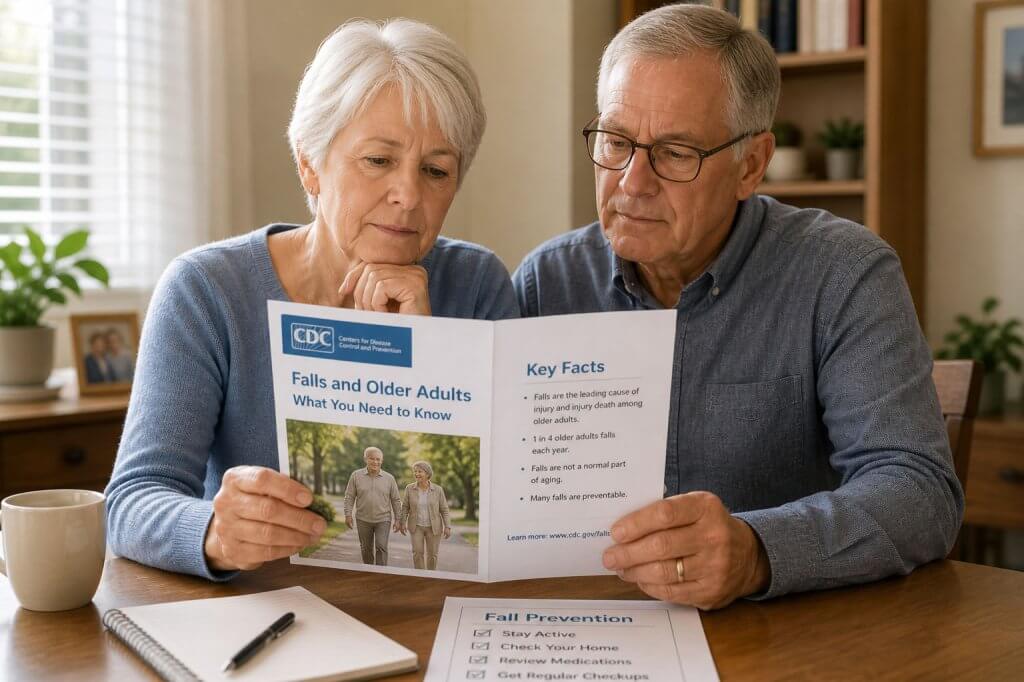
The numbers are striking — and most people have never heard them.
According to the Centers for Disease Control and Prevention, more than 14 million Americans aged 65 and older — roughly one in four — fall each year. Falls are the leading cause of both fatal and nonfatal injuries in that age group, responsible for the majority of hip fractures, traumatic brain injuries, and injury-related deaths among older adults in the United States. The National Council on Aging puts the annual medical cost of nonfatal fall injuries at approximately $80 billion.
Those numbers reflect something that Harvard Health describes clearly: good balance requires coordination across multiple systems simultaneously — the central nervous system, inner ear, eyes, muscles, bones, and joints. When any one of those systems is disrupted, the whole network is affected. That interdependence is why balance problems can develop gradually and why they are often missed until something goes seriously wrong.
The Fear That Follows a Fall
Many people who fall — even without serious injury — develop a deep fear of falling again. They start moving less, going out less, doing less. As Dartmouth Health points out, this fear-driven withdrawal often causes more long-term harm than the fall itself, accelerating the very muscle weakness and balance decline that made falling more likely in the first place.
Falls are largely preventable. And balance assessment is one of the most effective tools available for prevention.
Why Measurement Matters
What gives the fall prevention argument its full weight is research from JAMA Otolaryngology showing that balance function is significantly associated with all-cause mortality among U.S. adults. Poor balance is not merely a symptom of declining health — it is a measurable predictor of it. That finding transforms how we should think about fall risk screening: not as a reactive measure after something goes wrong, but as a proactive health indicator worth monitoring throughout adult life.
For a closer look at who is most at risk beyond seniors, see: Why Balance Issues Are Not Just a Senior Problem. And for a full explanation of what modern balance assessment involves, see: How Balance Is Measured Today.
What Bence Chiropractic Offers
Dr. Pavel Bence at Bence Chiropractic uses the ProBalance360 to conduct comprehensive balance evaluations — measuring postural stability, limits of stability, and fall risk markers across multiple validated tests. It is a clinical approach to fall prevention that goes well beyond a simple screening. For the full story, read: Why Balance Matters More Than Most People Realize.
Related Reading
→ Why Balance Impacts Independence and Quality of Life
→ Why Balance Issues Are Not Just a Senior Problem
→ How Balance Is Measured Today
→ Why Balance Matters More Than Most People Realize
Bence Chiropractic Wellness Center | (586) 978-9900 | www.bencechiro.com | 21 Mile and Garfield Roads, Macomb, MI